Board exams - just the phrase is enough to make most households a little tense. Whether it's your child's first big exam in Class 10 or the more high-stakes Class 12 boards that shape college admissions, parents often feel just as anxious as their kids. The good news is, with the right approach, you can genuinely make this phase smoother for both of you.Here's a practical, no-jargon guide on
how to help your child prepare for board exams without turning your home into a pressure cooker.
1. Start with a Realistic Study Plan - Not a Perfect One
The biggest mistake most students (and parents) make is creating an overly ambitious timetable that lasts exactly two days before falling apart. Instead of aiming for a "perfect" schedule, help your child build a realistic board exam study plan that accounts for:
- Weaker subjects getting more time
- Short breaks every 45-50 minutes
- One buffer day every week for revision or catch-up
If your child needs subject-wise guidance, our
Academic Programs page outlines how our
Secondary and Senior Secondary curriculum is structured, which can help you plan revision around what's already been covered in school.
2. Focus on Understanding, Not Just Memorizing
Especially for
RBSE board exam preparation, rote learning only goes so far. Encourage your child to understand concepts rather than memorize answers word-for-word, this helps them handle unexpected or application-based questions much better and reduces panic if a question is phrased differently than expected.A simple trick: ask your child to explain a topic to you in their own words. If they can teach it simply, they've understood it.
3. Don't Ignore Sleep and Physical Health
It sounds basic, but it's often the first thing to go during exam season. Poor sleep directly affects memory retention and concentration, exactly what your child needs most right now. Aim for:
- 7-8 hours of sleep, even during intense study weeks
- Short physical activity breaks (a 15-minute walk works wonders)
- Regular, light meals instead of heavy or skipped ones
4. Manage Exam Stress - Yours Too
Exam stress management for students starts at home, often without parents realizing it. Constant questions like "Did you study today?" or comparing your child to a topper can add pressure rather than motivation. Instead:
- Acknowledge effort, not just marks
- Avoid comparing your child with siblings, cousins, or classmates
- Keep conversations at home light during exam weeks, not every conversation needs to be about studying
If you'd like more structured guidance, our school regularly holds sessions for this exact purpose. Keep an eye on our
News & Events page for the next board exam orientation for parents, where our faculty walks you through the assessment pattern and how to support your child at home.
Quick Board Exam Prep Checklist for Parents
Focus Area | What Helps | What to Avoid |
|
|
|
Study Planning | Realistic, subject-wise timetable with breaks | Copying a "topper's" exact schedule |
Concept Clarity | Encouraging understanding over memorizing | Last-minute rote cramming |
Physical Health | 7-8 hrs sleep, light meals, short activity breaks | Skipping sleep or meals for "extra" study time |
Emotional Support | Calm conversations, acknowledging effort | Comparisons, constant pressure |
Revision Strategy | Practicing previous years' papers, timed mock tests | Learning new topics right before the exam |
5. Practice with Previous Years' Papers
Nothing builds exam-day confidence like practicing with actual RBSE previous years' question papers under timed conditions. This helps your child get familiar with the paper pattern, manage time better during the actual exam, and identify which topics need more revision.Our teachers guide students through this systematically as part of our
Senior Secondary School in Kotputli exam preparation approach. You can read more about our academic structure on the
Secondary and Senior Secondary pages.
6. Keep Communication Open with Teachers
Parents often underestimate how much a five-minute conversation with a subject teacher can help. If your child is struggling with a particular topic, reach out early rather than waiting until the exam is close. Our faculty is always available to guide both students and parents. You can learn more about our teaching team on the
Faculty page.
How Newton Global School Supports Students During Board Exams
At
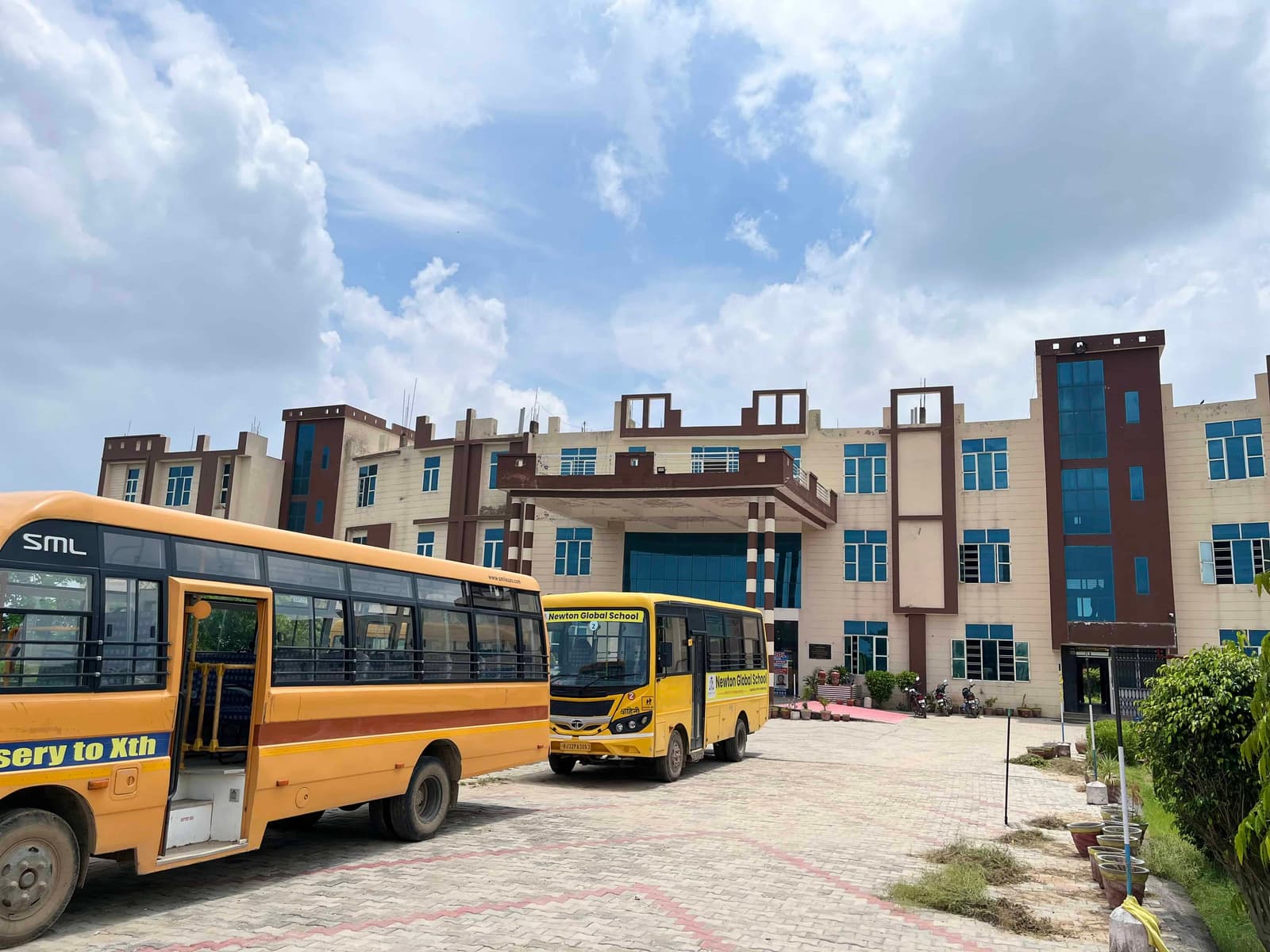
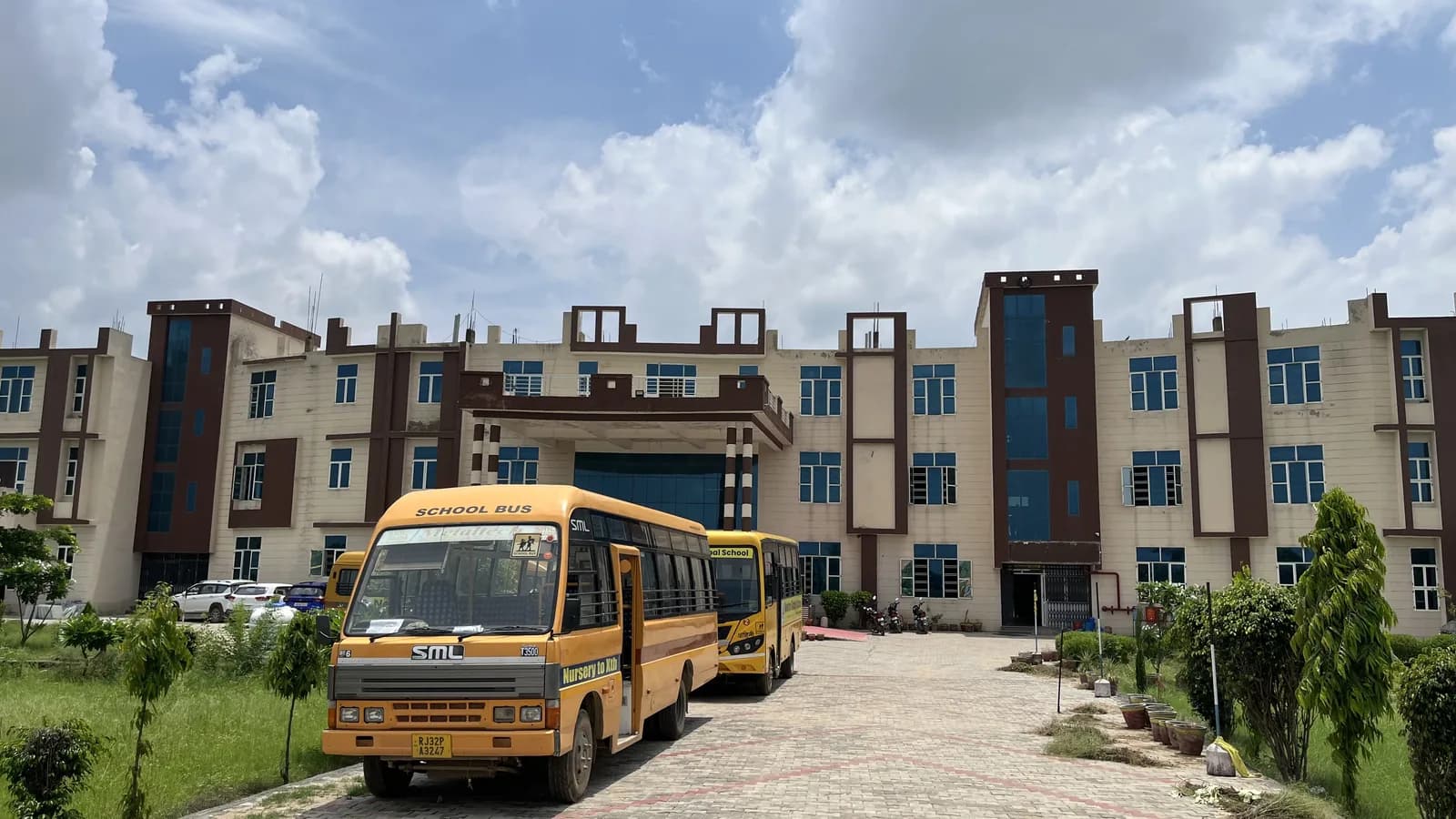
Newton Global School, Kotputli, we understand that board exams are as much an emotional journey as an academic one. Our approach includes:
- Regular parent-teacher meetings to track progress (see our latest updates)
- Structured revision schedules aligned with the RBSE curriculum
- A calm, supportive campus environment during exam season
- Dedicated board exam orientation sessions for parents of Grade 10 & 12 students
If your child is preparing for board exams this year, our team is here to guide both students and parents through it. Feel free to contact us for any exam-related guidance.
FAQs
Q1: When should Class 10 & 12 students start their board exam preparation? Ideally, focused revision should start 4-6 months before the exams, alongside regular school coursework but consistent, steady preparation throughout the year works even better than last-minute cramming.
Q2: How many hours should my child study daily during board exams? There's no fixed number quality matters more than quantity. 4-6 focused hours with proper breaks is usually more effective than 10 hours of distracted studying.
Q3: How can I help my child if they're feeling overwhelmed? Talk to them calmly, avoid adding pressure, and if needed, reach out to their class teacher or our faculty for additional support, sometimes a fresh perspective from a teacher helps more than parental advice.